TRI Partners with the Government of Chhattisgarh to Advance Inclusive Rural Development

● Small farmers and women from Self-Help Groups are the true catalysts of rural transformation”: Rahul Bhagat at the India Rural Colloquy 2026
● A Report on Green Economic Transition was released, highlighting pathways for climate-resilient and inclusive rural economies
● Sixth edition brings together government, community and development leaders to advance grassroots leadership, stronger local governance and inclusive rural growth
Chhattisgarh, Aug. 5, 2026: The Chhattisgarh chapter of the sixth India Rural Colloquy (IRC) opened with a strong call to recognise small farmers and women-led institutions as the foundation of rural transformation. The collaboration between TRI and Government of Chhattisgarh reinforces a shared commitment to advancing inclusive, community-led rural development across the state.
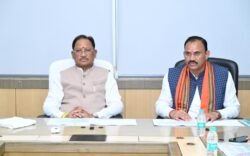
“Small farmers and women from Self-Help Groups are the true catalysts of rural transformation. Their courage to take the first step inspires countless others to become changemakers,” said Rahul Bhagat, Secretary to the Chief Minister and Secretary, Department of Good Governance & Convergence, Government of Chhattisgarh, while inaugurating the Colloquy in Raipur.
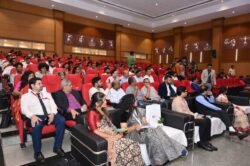
Bringing together senior government officials, community leaders, civil society organisations and development practitioners at the Tribal Research and Training Institute, Naya Raipur, the Colloquy explored how stronger grassroots leadership, responsive institutions and community knowledge can shape the next chapter of rural Chhattisgarh. During the event, the Green Economic Pathways – Chhattisgarh study report was also released, highlighting pathways for building climate-resilient and inclusive rural economies.
Delivering the keynote address, Padma Shri awardee Budri Thati underscored the importance of restoring harmony between communities and nature. “Where change once seemed difficult, sincere efforts made with love brought about transformation. Every person longs for love and all they need is someone who truly understands them” she said.
Speaking on the importance of strong local institutions, Bhim Singh, Secretary, Department of Panchayat and Rural Development, Government of Chhattisgarh emphasised that sustainable rural development depends on effective implementation at the grassroots. “The true implementation of every government scheme happens at the village level. If village institutions are not strong, the pace of development will always remain limited,” he said.
Founded in 2016, TRI works alongside rural communities to advance inclusive development rooted in local leadership. As it enters its second decade in 2026, it is deepening its gender-intentional approach while scaling community-led models to drive equitable and sustainable change across rural India.
Taking this vision forward, TRI organised the State chapter of the India Rural Colloquy around the theme ‘Grassroots Leadership for Viksit Chhattisgarh.’ Policymakers, thought leaders and grassroots representatives shared their vision on who will lead the next generation of rural transformation. It also looked at how public institutions can create the conditions for communities to thrive.